
Normally, the Fremont mayor’s race would spark little interest outside the city’s limits. But not this year. At least not for the Oakland A’s, the team’s fans, and Oakland residents who hate the idea of the ballclub moving twenty miles south. That’s because this year’s mayoral election in Fremont has become a referendum on the team’s sweeping proposal to build a new ballpark village in that city. Indeed, the outcome of the November election could ultimately decide whether the A’s stay in Oakland or leave the Bay Area entirely.
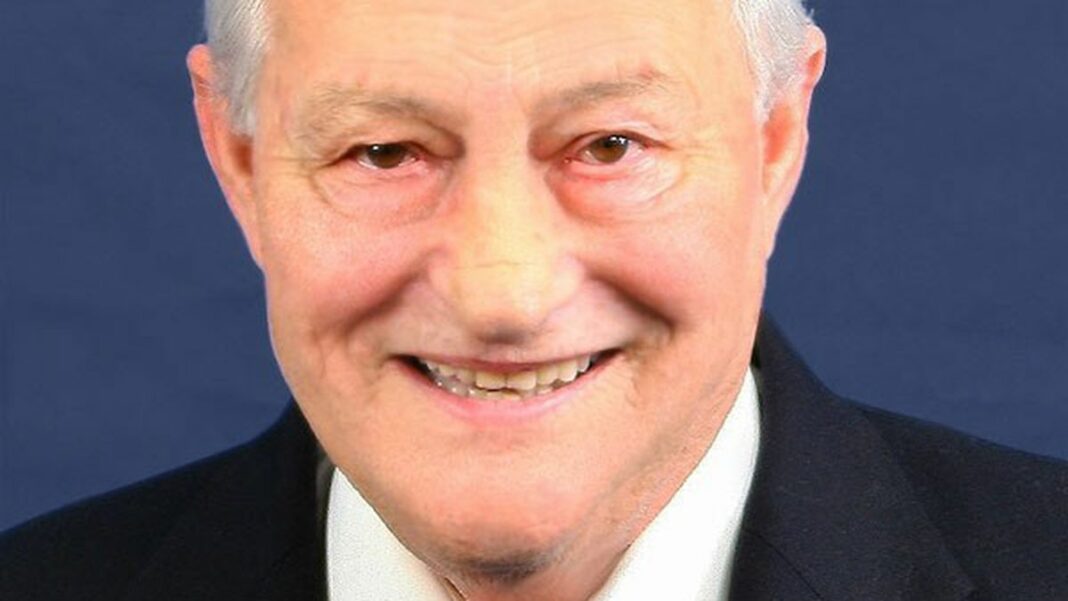
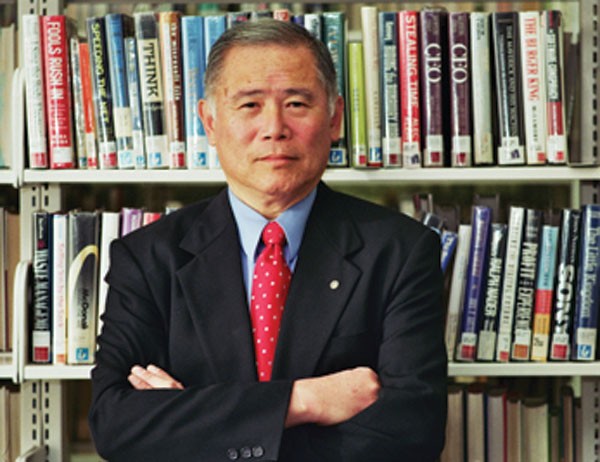
The Fremont mayor’s race is a three-person contest, featuring incumbent Bob Wasserman, a strong backer of the A’s planned move south; former Mayor Gus Morrison, who has emerged as the leading opponent of the A’s proposal; and city Councilman Steve Cho, who has staked out a wait-and-see approach. Depending on who wins, the A’s could push forward with their planned move to Fremont, rethink it, or shelve the idea permanently.
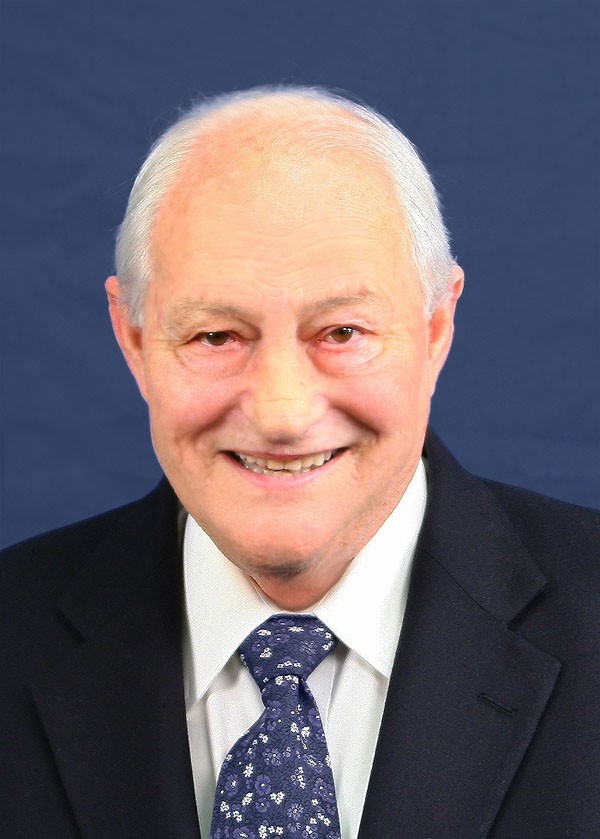
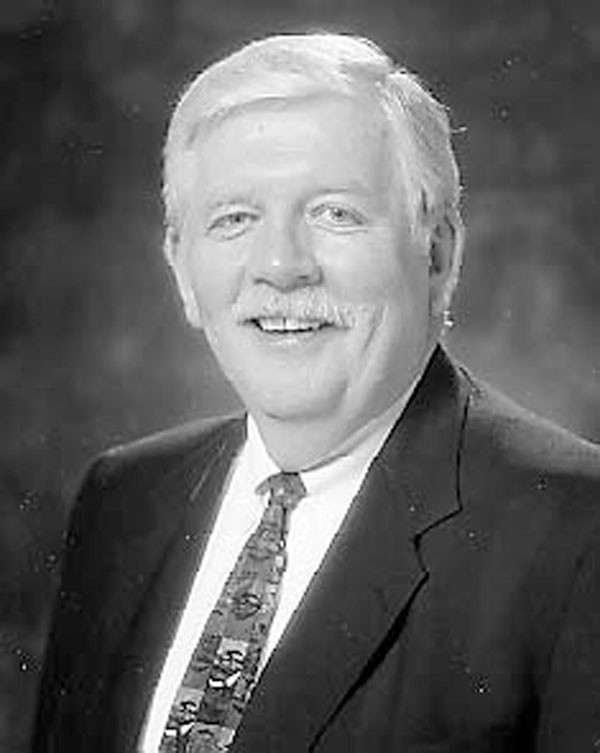
If Wasserman garners the most votes, then it will send a clear signal to team co-owner Lew Wolff that Fremont citizens endorse his plan for a ballpark village, which includes a 32,000-seat stadium surrounded by more than 3,000 new homes. But if Morrison were to win, then Wolff could reasonably view the outcome as a not-so-subtle hint that he should build his field of dreams elsewhere.
On the other hand, if Cho comes out on top, it would send a garbled message to the team’s ownership — maybe the city residents want you, or maybe they don’t. Cho told Full Disclosure that he supports the idea of the A’s coming to Fremont, but he has a lot of questions about the plan and its potential costs to the city. He also indicated that he might support a proposal currently swirling around Fremont to put the A’s plan on the ballot and let city voters decide — a move the team is expected to strongly oppose.
At this point, the mayor’s race appears to be too close to call. Under city rules, whoever gets the most votes wins, even if that person fails to garner at least 50 percent of the vote. Some political observers, including Wasserman himself, and former longtime Assemblyman John Dutra, think Wasserman and Morrison, who are both Democrats, may cancel each other out, allowing Cho, a Republican, to slip past them. “That concerns me the most,” said Mayor Wasserman. “Every vote Gus Morrison gets is a vote for Cho.”
Wasserman, however, has some significant advantages. As of last week, he said he had raised more than $100,000 for the campaign, far more than either of his competitors. It’s also more than he has ever raised for a mayoral campaign before, he said. In addition, most of the city’s political power structure is backing him. His key supporters include the other three members of the Fremont City Council and Morrison’s good friend Dutra, who wields so much influence locally that detractors sometimes refer to the city as “Dutraville.”
Still, the mayor is not taking any chances. Although he was instrumental, along with Alameda County Supervisor Scott Haggerty, in attracting the A’s to Fremont in the first place, he’s now trying to avoid sounding like a booster — in an apparent nod to Morrison and Cho’s tougher stances on the deal. He said he rejects his opponents’ claims that he’s nothing but a rubber stamp for the A’s proposal and that the team will get whatever it wants as a result. “For us to approve it, it’s going to have to be a very good deal for the city,” Wasserman said. “I’m not presupposing that it will happen. But I will be happy if it does.”
Wasserman is a pro-business moderate in a politically moderate city, while Cho is more conservative. Morrison, in turn, is the liberal-progressive candidate. He likely will have the support of environmentalists and slow-growth advocates. And in an election dominated by one issue, he should pick up most of the anti-A’s-deal votes, except for conservatives who can’t stomach his left-of-center views. In a poll last year, most Fremont residents appeared to favor the A’s proposal, but Morrison thinks voters’ minds have changed. “I’ve visited six hundred homes so far in the campaign, and I have not had anyone tell me that they solidly support the A’s plan,” he said.
Unable to raise as much money as Wasserman, Morrison is engaging in old-fashioned retail politics. The former longtime mayor, who spent more than twenty years in public office, is going door-to-door talking up as many city residents as he can. Some people close to him say he’s already lost forty pounds on the campaign trail. He has plenty of complaints about how the city has been run under Wasserman, but his main beef is with the A’s plan.
He argues that the new stadium will cause nightmarish traffic on game days because it’s too far away from BART. He also says that the plan is woefully short on parking — fewer than 6,000 spaces for a 32,000-seat facility. And he objects to the fact that the massive accompanying housing development west of the Nimitz Freeway is to be built next to a wildlife reserve and includes no provision for a new school. “It’s a bad project in the wrong part of town,” he said. “There’s so much wrong with this project, I’m surprised it’s gotten this far.”
Cho questions the A’s plans, too, but he’s nowhere near as adamant as Morrison. In an interview, Cho ticked off many of the same concerns as the former mayor — traffic, parking, schools — plus he noted that the new development will strain the city’s already overstretched police and fire departments. But he seems optimistic that these problems can be solved, and he’s fashioning himself as the middle-ground candidate between Morrison and Wasserman. “I’d rather that the A’s be here than not,” he said. “But I want to get the best deal.”
Along with the conservative vote, Cho is expected to do well with the city’s large Chinese-Asian community. He also expressed interest in letting Fremont voters have the final say on the A’s deal. “Talking to people, there’s a good number that do want a ballot measure,” he said. He indicated that he would support such a move, but said he would not initiate it. However, some team backers say they believe an expensive election campaign could prompt Wolff to abandon the proposal altogether. “If you think of a project at that level — $1.8 billion or more — the more uncertainty you put into the situation, by putting it on the ballot, makes it tougher for the team to find investors,” Dutra said.
Neither Lew Wolff nor his son, Keith Wolff, another co-owner of the team and the point person on the ballpark village plan, returned phone calls for this story. But it’s no secret that they have been frustrated at how slowly it’s taken to develop their plan. The proposal is now undergoing an extensive environmental review that’s not expected to be completed until next year. Team officials have said the earliest they could move to Fremont would be 2012. And even that is no guarantee. In fact, Wolff told a San Jose Mercury News reporter in July that he “honestly” wasn’t sure whether his state-of-the-art Fremont ballpark would ever fly — though he later backpedaled and told another reporter at the same newspaper that he “still thinks it’s going to happen.”
Regardless, Wasserman and Dutra say that neither the Wolffs nor the team plan to get involved in the mayor’s race even though it could ultimately determine the team’s future. If they did, voters might view it as an attempt to sway the election. Wasserman said he hasn’t even spoken to the Wolffs in the last two months
So what happens if Wasserman loses? Some Oakland officials, including City Council President Ignacio De La Fuente, believe the A’s can be convinced to stay put. But team officials have made it clear that they have no interest in remaining at the Oakland-Alameda County Coliseum. The team’s attendance at the aging facility has never been terrific. This past season, the A’s drew just 1.67 million fans, finishing 27th out of thirty teams in the major leagues, further harming the club’s ability to pay the competitive salaries needed to field a winning team.
It’s been clear for several years that the A’s need a new ballpark to stay in the Bay Area and remain viable. The only question is where it will be built. If it’s not going to be Fremont, then Oakland officials need to step forward and see if they can find a way to keep the team in Oakland.